

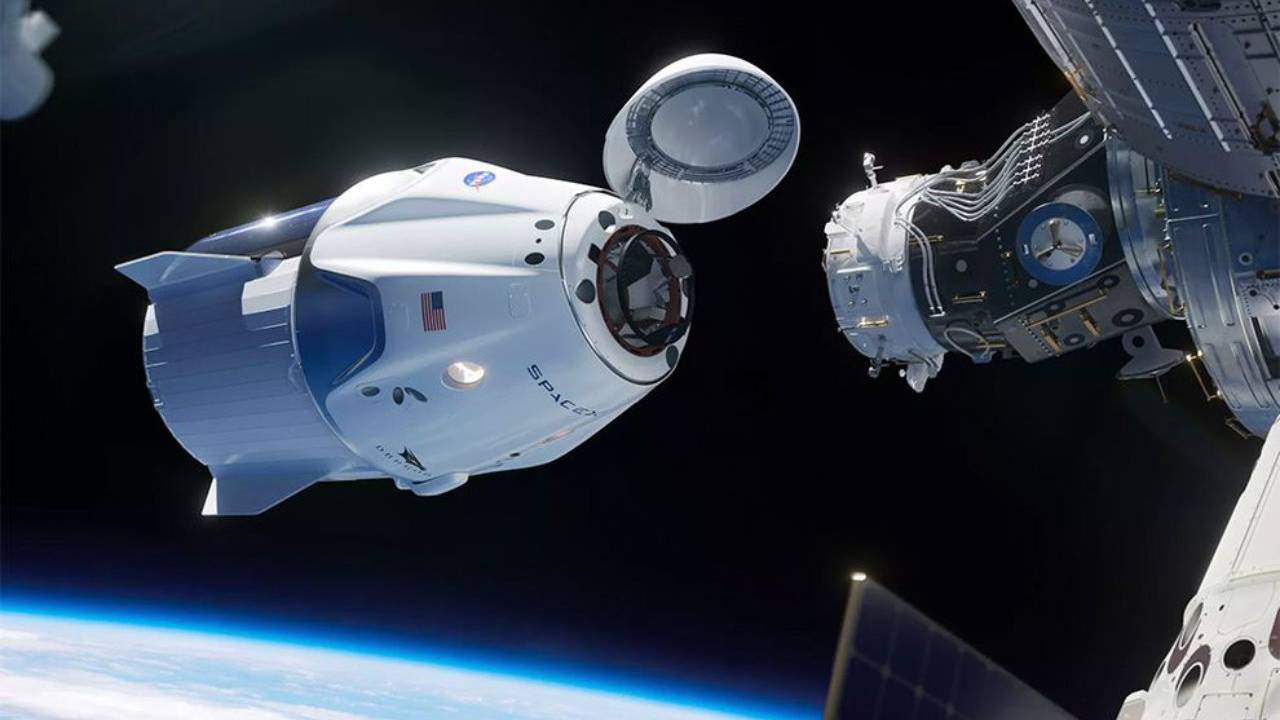
AT THE INTERNATIONAL SPACE STATION (ISS)
CREW DRAGON
Step inside Crew Dragon, SpaceX’s next-generation spacecraft designed to carry humans to the International Space Station and other destinations.
Dragon made history in 2012 when it became the first commercial spacecraft to deliver cargo to the space station, a feat previously achieved only by governments. But Dragon was also designed from the beginning to carry people, and today SpaceX is finalizing the necessary refinements to make that a reality.
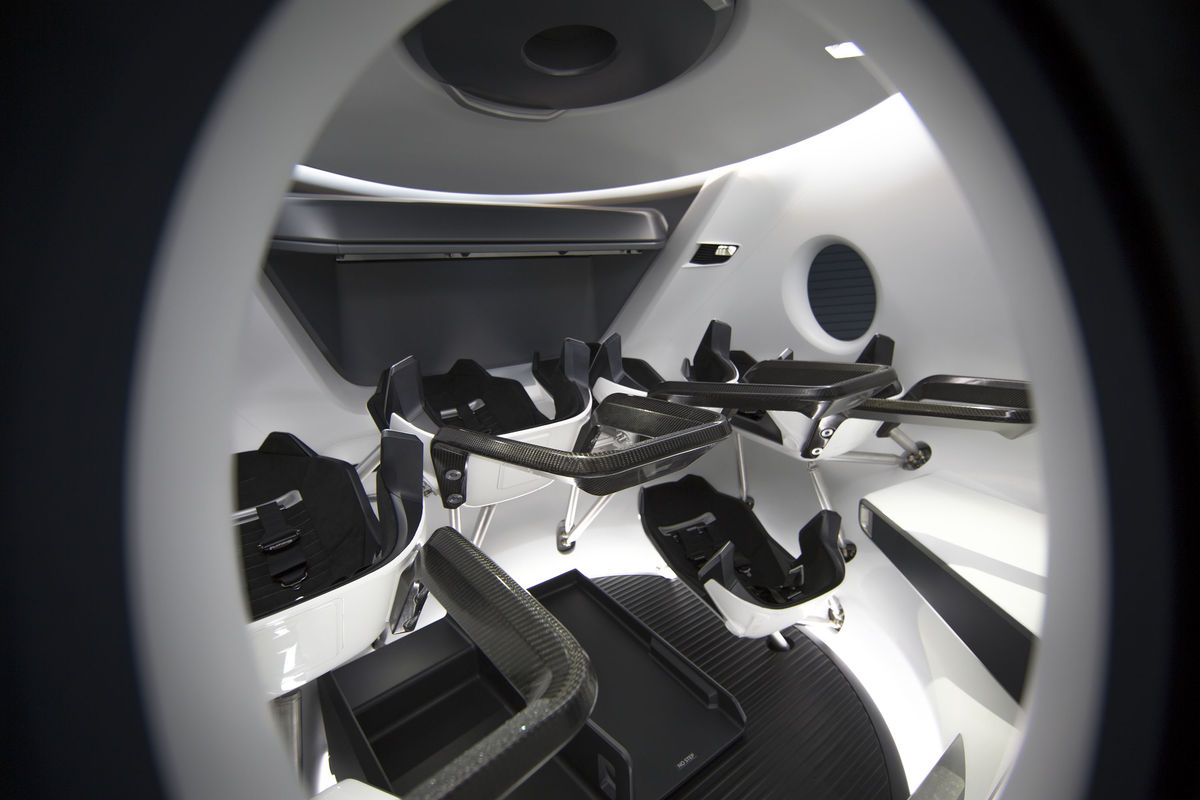
Crew Dragon was designed to be an enjoyable ride. With three windows, passengers can take in views of Earth, the Moon, and the wider Solar System right from their seats. 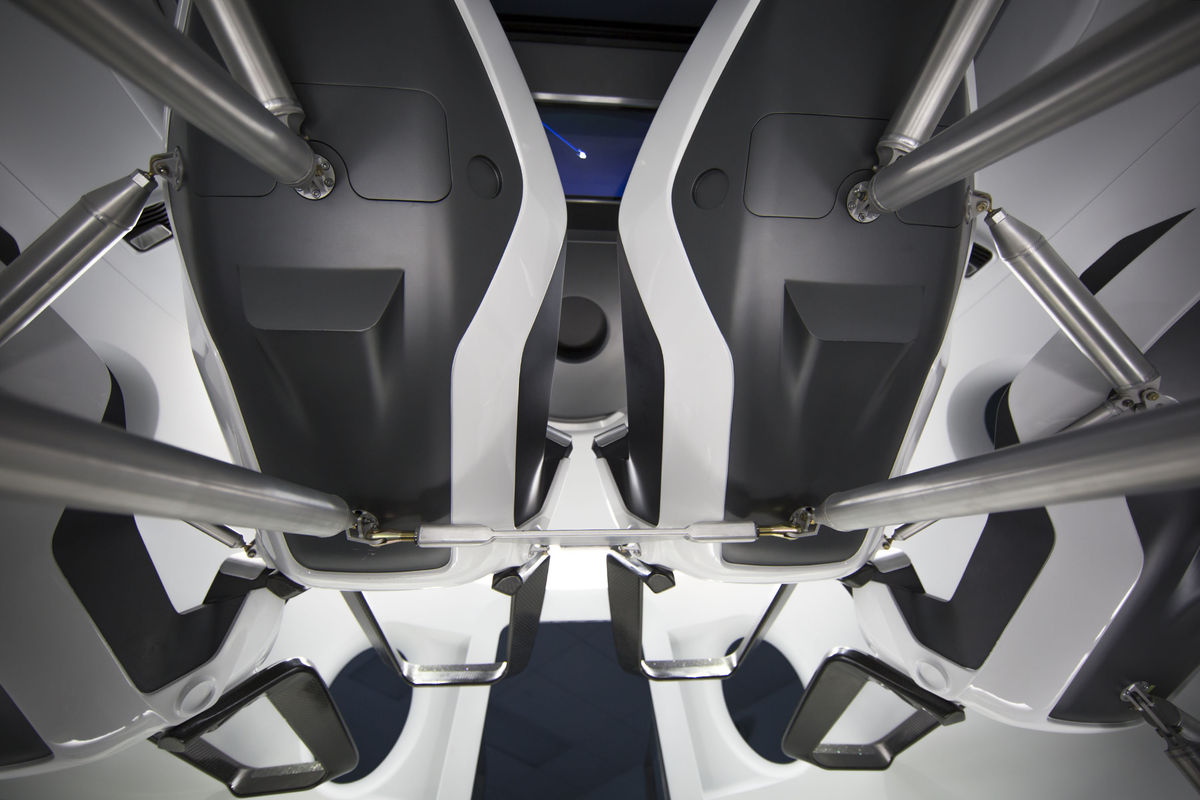
Crew Dragon features an advanced emergency escape system (which was tested in the spring of 2015) to swiftly carry astronauts to safety871778 if something were to go wrong, experiencing about the same G-forces as a ride at Disneyland.

Crew Dragon’s displays will provide real-time information on the state of the spacecraft’s capabilities – anything from Dragon’s position in space, to possible destinations, to the environment on board. 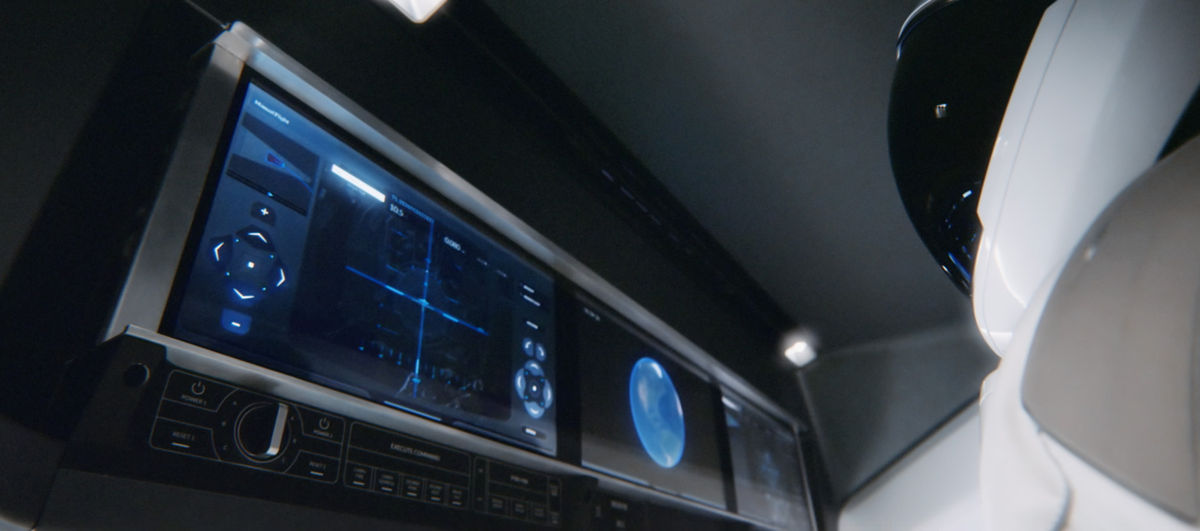
Crew Dragon has an Environmental Control and Life Support System (ECLSS) that provides a comfortable and safe environment for crew members. During their trip, astronauts on board can set the spacecraft’s interior temperature to between 65 and 80 degrees Fahrenheit.
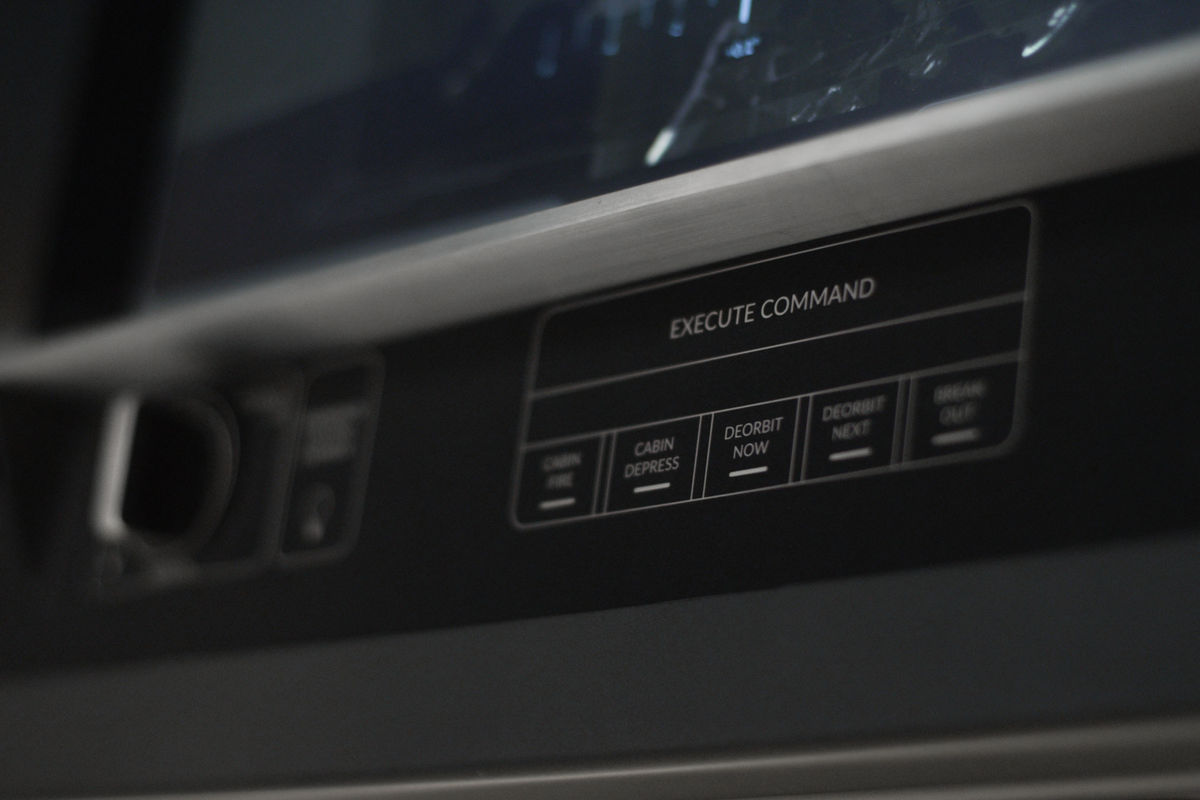
Crew Dragon will be a fully autonomous spacecraft that can also be monitored & controlled by on board astronauts and SpaceX mission control in Hawthorne, CA.
Draco and SuperDraco engine
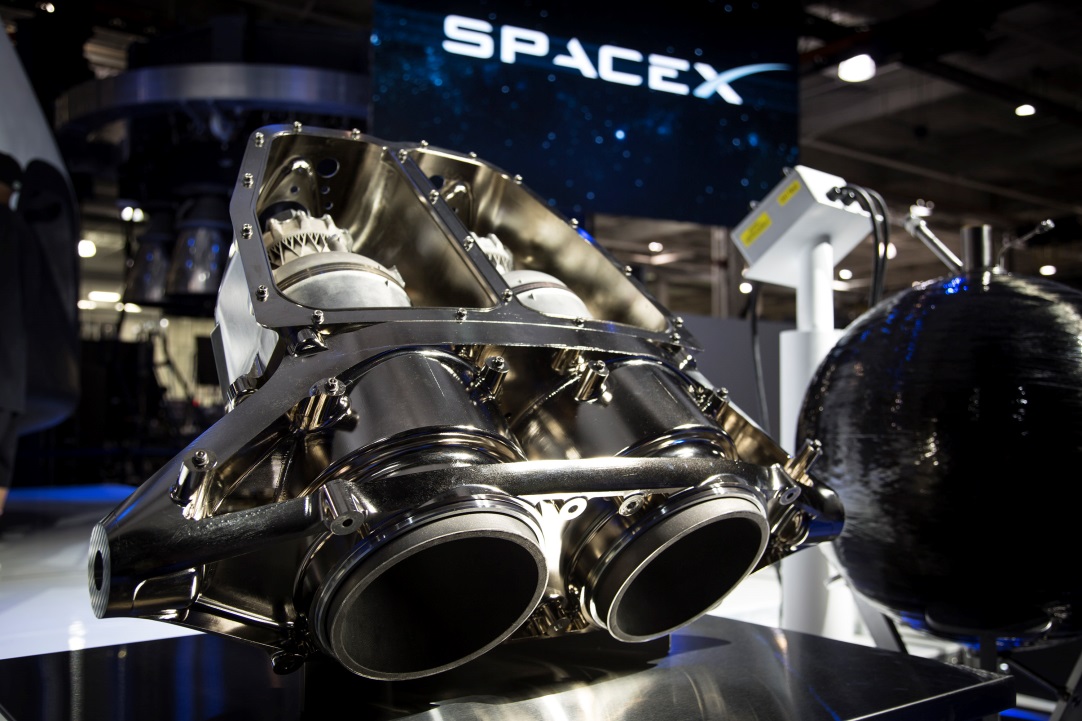
Draco is a hypergolic rocket engine design and build by SpaceX for use in their space capsule, Two engine types are have been build and developed till date: Draco and SuperDraco
which were among the first rocket engines to be entirely 3D printed are offically used in their dragon capsule
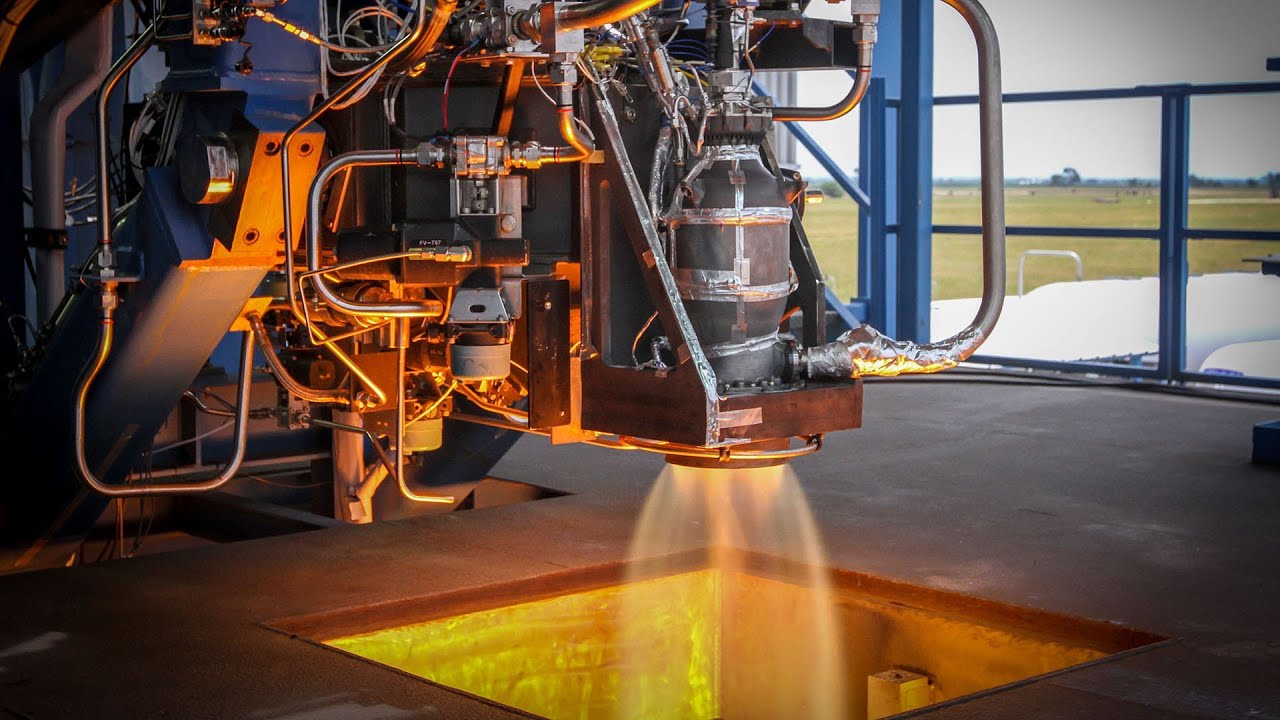
SuperDraco is derived from Draco, and utilizes the same storable (non-cryogenic) propellant as the small Draco thrusters, but are over 100 times larger in terms of delivered thrust. The much larger SuperDraco engines have been used on the Crew Dragon spacecraft to provide launch-escape capability to low Earth orbit. Draco and SuperDraco combine the functions of both a reaction control system and a main propulsive engine.
On September 5, 2013 Elon Musk tweeted an image of a regeneratively cooled SuperDraco rocket chamber emerging from an EOS 3D metal printer, and indicated that it was composed of the Inconel superalloy.This was later shown to be the production technique for the flight-level engines.
It was announced in May 2014 that the flight-qualified version of the SuperDraco engine is the first fully 3D printed rocket engine. In particular, the engine combustion chamber is printed of Inconel, an alloy of nickel and iron, using a process of direct metal laser sintering, and operates at a chamber pressure 6,900 kilopascals (1,000 psi) at a very high temperature. The engines are contained in a printed protective nacelle to prevent fault propagation in the event of an engine failure.
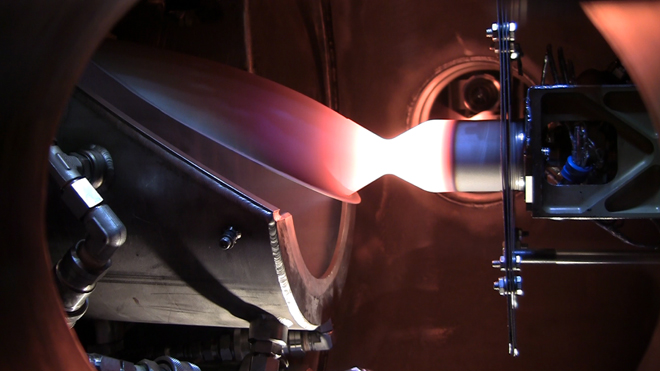
The ability to 3D print the complex parts was key to achieving the low-mass objective of the engine. According to Elon Musk, “It’s a very complex engine, and it was very difficult to form all the cooling channels, the injector head, and the throttling mechanism. Being able to print very high strength advanced alloys … was crucial to being able to create the SuperDraco engine as it is.” The 3D printing process for the SuperDraco engine dramatically reduces lead-time compared to the traditional cast parts, and “has superior strength, ductility, and fracture resistance, with a lower variability in materials properties.”
According to Elon Musk, cost reduction through 3D printing is also significant, in particular because SpaceX can print an hourglass chamber where the entire wall consists of internal cooling channels, which would be impossible without additive manufacturing.
 TECH BLOG